2025 Building Decarbonization & EV Infrastructure Reach Code Program
Central Coast Community Energy (3CE) is committing to reduce greenhouse gas (GHG) emissions within its service area by developing forward-thinking building and transportation decarbonization reach codes. Reducing GHG emissions also contributes to safer, lower cost buildings, increased comfort and improved indoor and outdoor air quality. The Reach Codes Program provides technical assistance to help cities and counties perform stakeholder outreach, adopt local building codes that align with their climate and air quality goals, drive the decarbonization of building and vehicle energy systems, and implement the codes simply and consistently. Support includes answering technical questions, evaluating the appropriate reach code options, presenting at council meetings, reach code customizations, reviewing staff presentations and reports, and developing implementation tools to help cities and counties enforce their reach codes.
If your city or county is interested in adopting a reach code, please see the model reach codes and resources for building decarbonization and electric vehicle infrastructure below. Please contact us if you are interested in adopting a reach code.
About Reach Codes
What are Reach Codes?
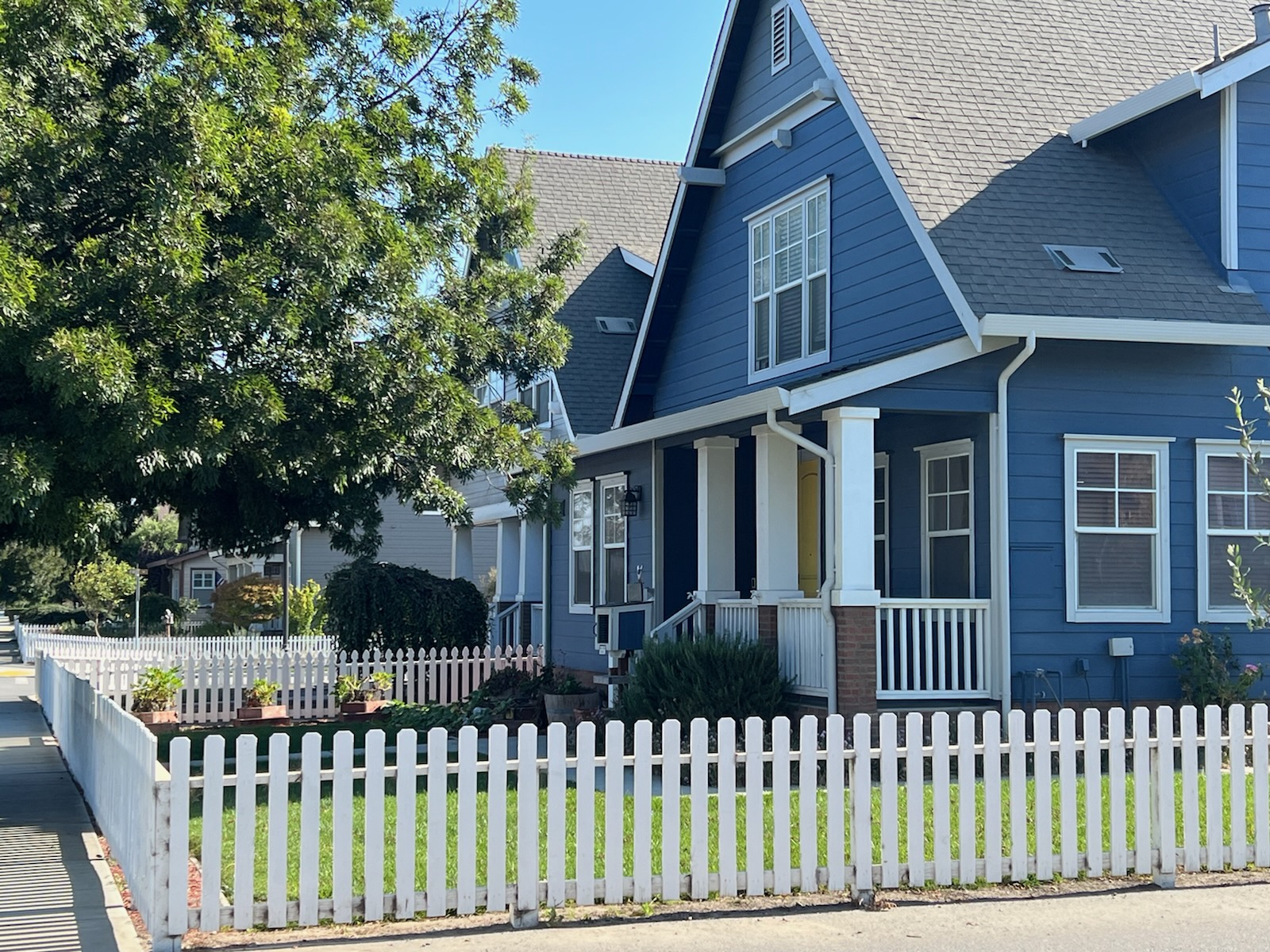
Every three years, cities and counties across the state adopt the new California Building Standards Code (often referred to as Title 24 or “Standards”). At any time, cities and counties may choose to adopt reach codes— building codes that are more stringent than those required by the Standards.
Any city or county can pursue reach codes for nonresidential buildings. If a city or county would like to pursue a reach code for residential buildings, State law requires that cities have a previously-adopted General Plan that includes GHG reduction strategies, or previously-adopted reach codes. These requirements for residential reach codes are required by AB130, passed in 2025, and will remain in effect through May 31, 2031.
Model Reach Code Recommendations
The following reach code language is based on the Investor-Owned Utilities Codes and Standards Program’s cost effectiveness studies. Visit the resources page of the program’s website to see the cost effectiveness studies for each reach code policy option.
Nonresidential Reach Codes
These reach codes modify the Standards for nonresidential buildings. Many policies affect either existing buildings or new construction, though some policies like Electric Vehicle Infrastructure are applicable to both. AB 130, which passed in July 2025, paused the adoption of some reach codes from October 1, 2025 to May 30, 2031. However, all of these reach codes are available to any jurisdiction to adopt without limitation.
Two-Way AC
This reach code is available for existing buildings that are replacing or installing cooling systems. This policy extends new construction Standards to existing buildings, allowing building owners to choose between installing either a heat pump, or an AC unit with additional efficiency measures. The City of Santa Cruz adopted this policy.
Electric Vehicle Charging Infrastructure
This reach code can apply to either existing buildings
or new construction.
- The existing building reach code extends the new construction requirements to additions and alterations in existing non-residential buildings or parking facilities.
- The new construction reach code requires the 2025 Cal Green Tier 2 requirements. The City of Goleta adopted this policy.
Energy Performance
This reach code is available for new construction. This policy sets a compliance target for the energy performance of new non-residential buildings. Efficiency or electrification measures ensure that newly constructed buildings consume less energy than the minimum Standards. San Luis Obispo, Santa Cruz and Goleta adopted this policy. This policy will be available once the results of the cost-effectiveness study are available in 2026.
Expect model language soon!
Residential Reach Codes — Single Family
These reach codes modify the Standards for residential buildings. These reach codes are available to any jurisdiction that can qualify for the exemptions listed in AB130, which passed in July 2025. The most common exceptions for passing reach codes are 1) “substantially similar” updates to a reach code from a previous code cycle, 2) reach codes that support General Plan policies for a given local government, and 3) reach codes that encourage home hardening for fire preparedness.
Two-Way AC
This reach code is available for existing buildings replacing or installing cooling systems. This policy extends new construction Standards to existing buildings, allowing building owners to choose between installing either a heat pump, or an AC unit with additional efficiency measures. The residential version of this model code is available with two pathways: member agencies can choose to amend Part 6 of the Standards or Part 11. The City of Santa Cruz adopted this policy.
Electric Readiness
This reach code is available for existing buildings. This policy encourages electrification by requiring minimal electrical infrastructure upgrades when permitted work is already planned for a part of a residence near a gas appliance. The policy doesn’t mandate electrified appliances but requires the infrastructure to accommodate an electrical appliance to replace gas appliances in the future. The cities of Santa Cruz and San Luis Obispo adopted this policy.
FlexPath
This reach code is available for existing buildings. This policy supports electrification by providing a menu of efficiency improvements to renovation projects. When a square footage or valuation threshold is exceeded, homeowners are then provided a menu of efficiency measures (such as insulation) and technology options (such as heat pumps). Each measure has a score, and the policy will include a target score – homeowners can choose to stack several low-score items, or to leverage fewer high-score technology measures. The Cities of Santa Cruz and San Luis Obispo adopted this policy.
Electric Vehicle Charging Infrastructure
This reach code can apply to either existing buildings
or new construction.
- The existing building reach code extends the new construction requirements to additions and alterations in existing non-residential buildings.
- The new construction reach code requires the 2025 Cal Green Tier 2 requirements. The City of Goleta adopted this policy.
Energy Performance
This reach code is available for new construction. This policy sets a compliance target for the energy performance of new residential buildings. Efficiency or electrification measures ensure that newly constructed buildings consume less energy than the minimum Standards. San Luis Obispo, Santa Cruz and Goleta have adopted this policy for the 2022 code cycle. This policy will be available once the results of the cost-effectiveness study are available in 2026.
Expect model language soon!
Fire Hardening Support
Review this slide deck to learn about fire hardening and how it aligns with reach codes. Please contact the reach code team if you are interested in pursuing a fire hardening reach code.
Adoption Process
Reach Code Resources
Cost and Cost Effectiveness
Adoption Tools
Videos
Existing Single Family Reach Code Options
Contact Us
Do you have questions or comments about the reach codes initiative? Fill out the contact form, and a member of our team will reach out to you.